About Me
Hello, I'm Ilvy. Welcome to my portfolio!
Identity
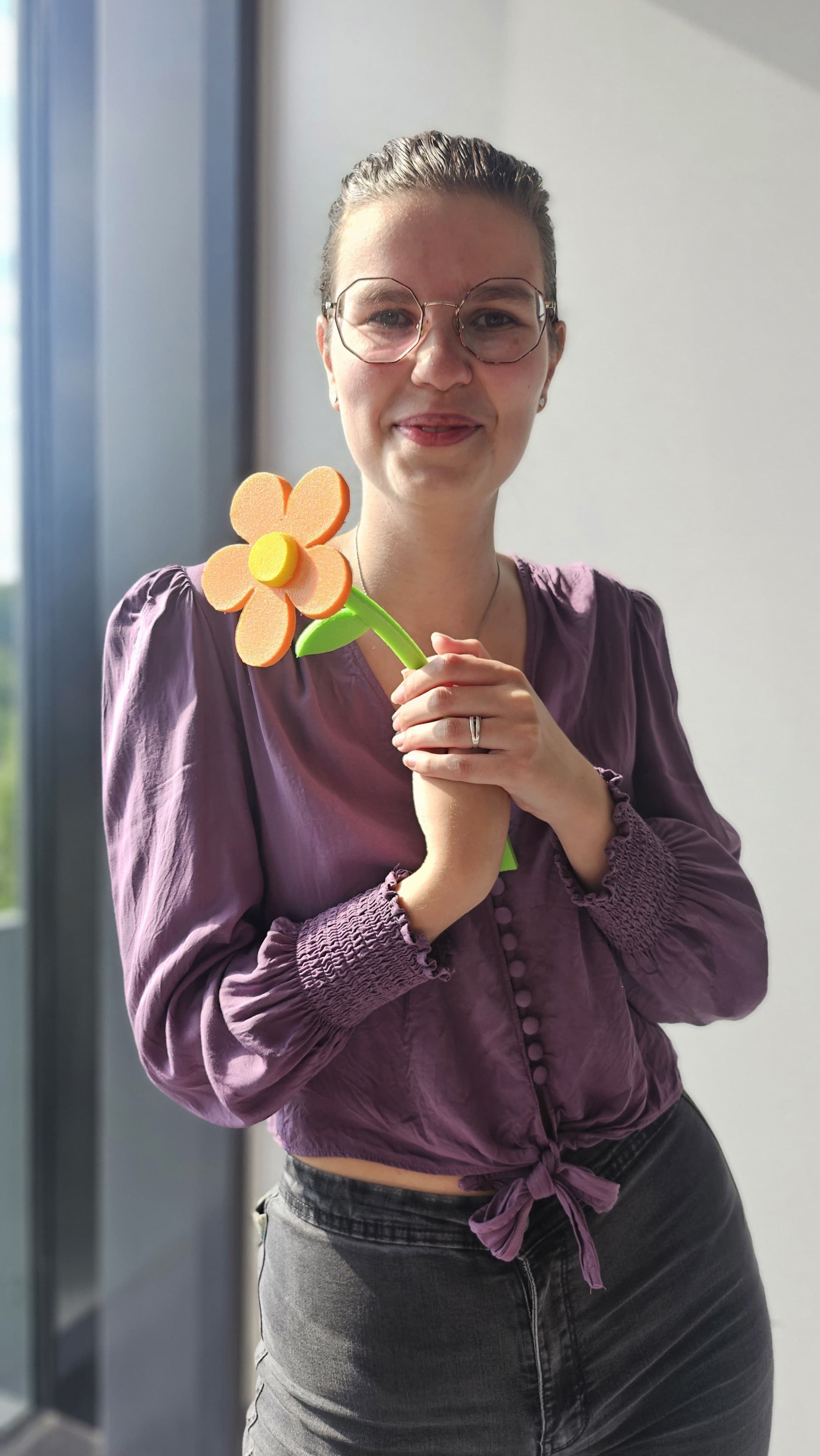
I am an empathetic and socio-sensitive designer with a focus on emotional well-being. I’ve always been a socially sensitive person. Even as a child, I was deeply affected by the world around me, watching the news or seeing others in distress impacted me. To use empathy effectively and avoid its pitfalls, I use it as a starting point and combine it with real user input [1]. In my design, I think about my user, the user experience and social impact. My instinct in every situation is to help people. This shapes my vision on design in the sense that I care a lot about my user and their (emotional) well-being. This is something that I understood better throughout my master's. I choose projects that matched my values, that have well-being and mental support during difficult times in common. For example, I recently worked within themes like mental support in times of stress and supporting love in couples that are challenged with dementia.
My values have led to an interest in Social Design, User Centred Design [6] and Design Thinking [7]. In my process, I focus on what really matters to me: understanding the user and their daily reality. Interviews and testing are important to make sure the design truly fits their needs. Within the design process, my strength lies in working on going from a rough sketch to a real concept by trying to find out what a user or society really needs. One thing I still find challenging is making fast decisions when the pace is high. Even though the master focused on solo projects, I believe in the strength of teamwork. Collaborative sessions with other designers or multidisciplinary teams add valuable perspectives.
Vision
I believe that design should make the world a better place. I aim to create designs that truly help; designs that make people feel seen and empowered, even in life’s difficult moments. I believe this can be done by designing for well-being, which focuses on increasing happiness and empowering users to lead full lives [2].
My motivation also comes from personal experiences. Going through periods of stress and caring for family members with health issues showed me how overwhelming and all-consuming these can be. These experiences made me realise how important it is to design for themes that are emotional, personal, and sometimes even taboo. Even though designing for well-being can be complex [5], I believe that including these themes is very meaningful because, for the person experiencing the struggle, it can deeply impact their daily life. Design can support and empower them by strengthening their mental well-being. Examples that inspire me as a designer are chatbots like Vincent [3] and Diarybot [4] which work on well-being with small daily interventions that help users become more mentally resilient.
I am a designer who looks at what technology fits the situation best. I use technology because of its potential within a project use case, not just for the sake of using it. In my approach, empathy and emotional depth are important. I focus on the mental and social layers of a person’s life, especially in moments of vulnerability. I bring this vision to life in two ways: by choosing projects that focus on emotionally relevant topics, and by actively integrating mental and emotional aspects throughout the design process. For me, it's important that the user is placed at the centre, not only in terms of usability, but as a whole person with emotional needs and lived experiences. I combine insights from proven concepts and literature with the perspective of the user within my design process. My design impacts society in terms of well-being. I hope to contribute to a world where design helps people not just function but truly thrive.
Development within the EAs
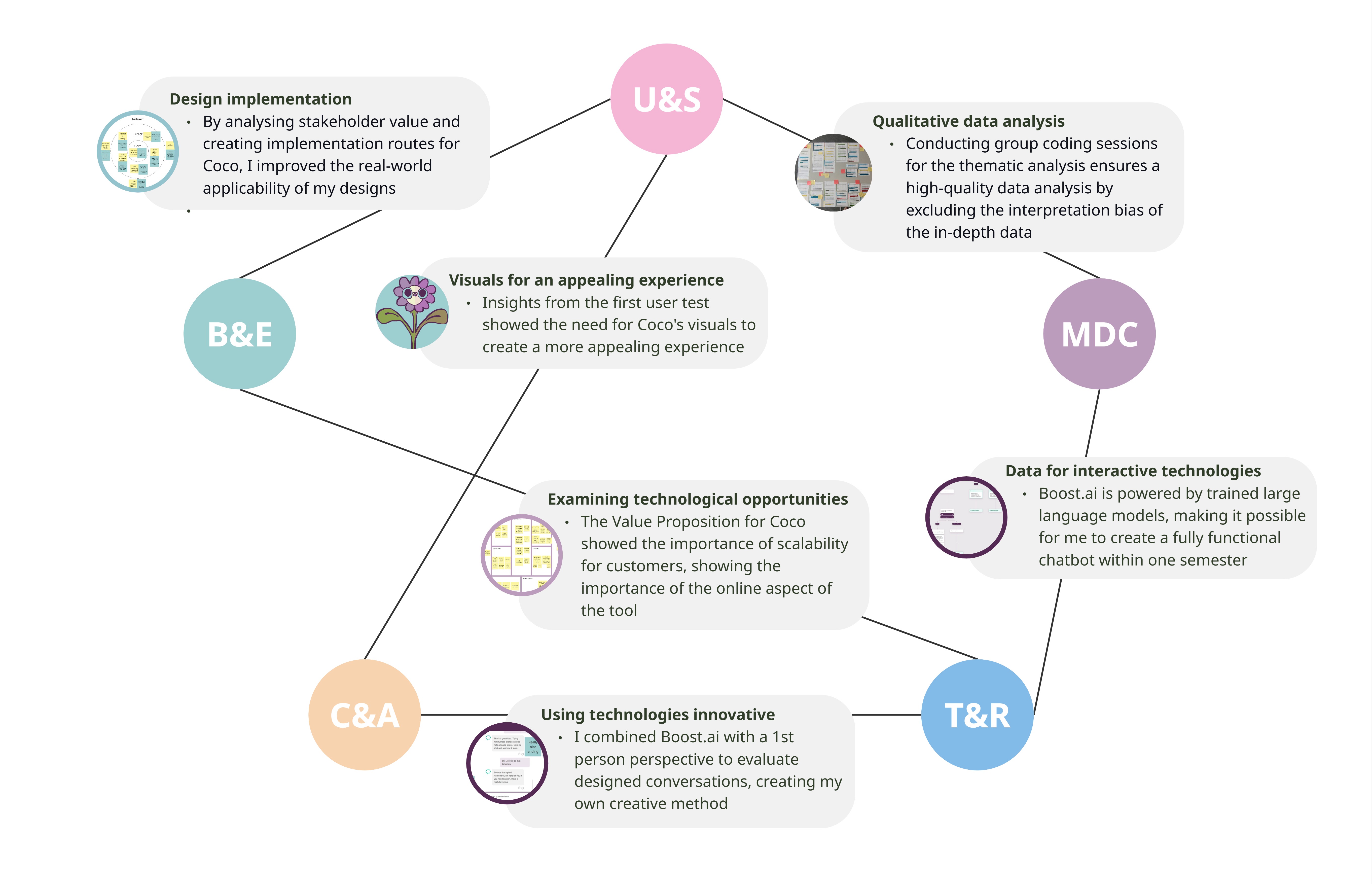
The EAs have guided my master’s education, enabling me to build strong expertise within them. Since the EAs constantly influence each other, many of my skills and activities overlap across multiple areas. Examples of how my skills and activities contribute and connect to each other, can be found below:
User & Society
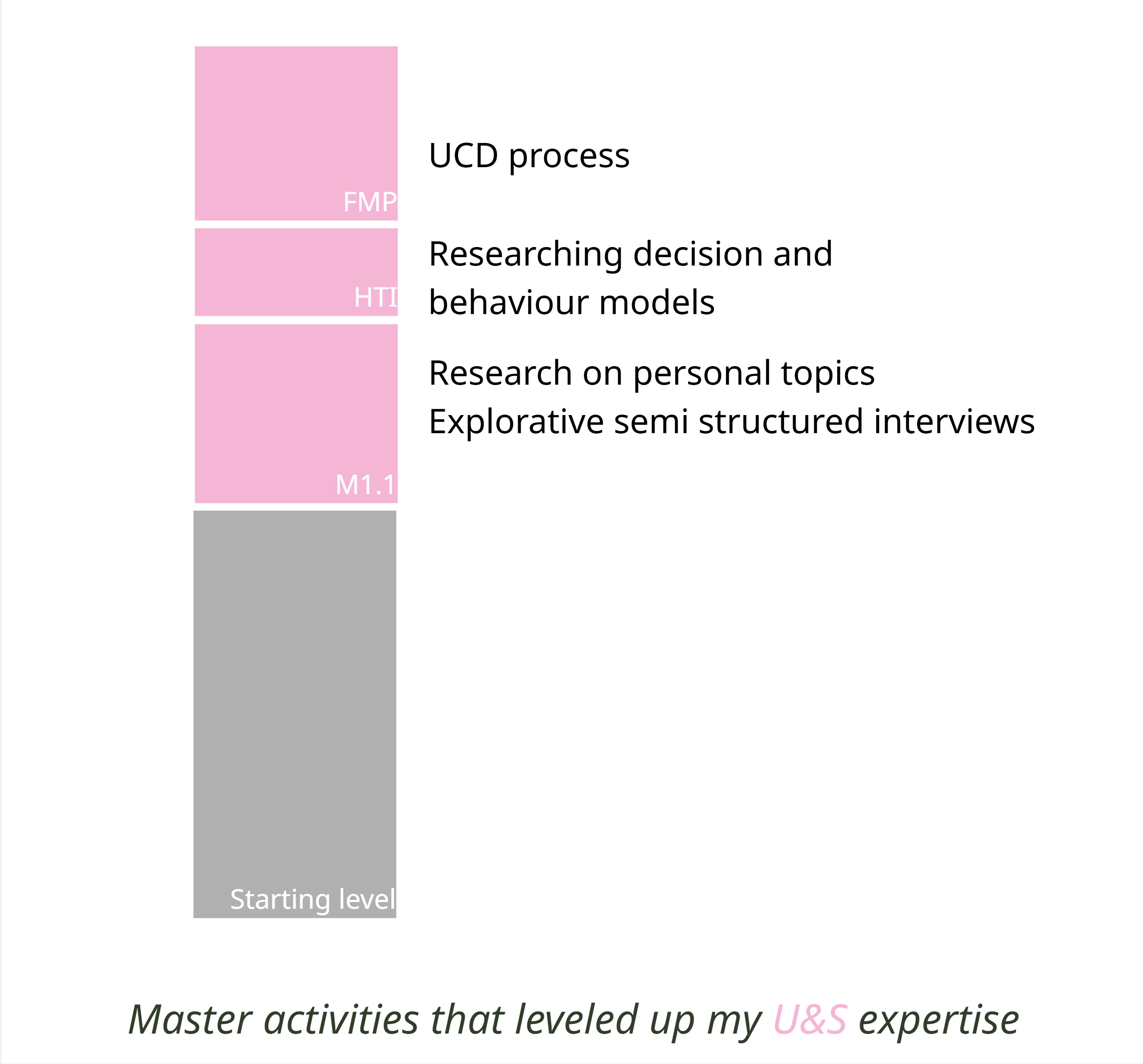
This is my strongest and favourite expertise area, as it closely connects to my PIV. Courses at HTI taught me to use theory to support users’ mental processes. During my master’s I was able to place the user at the centre of my design process (USD) while also critically analysing the broader societal impact of my wellbeing designs. Because of my M1.2 (and FMP), I am experienced in conducting in-depth interviews in search of user needs and situated perspectives. In these sessions, I used my empathic qualities to create a comfortable atmosphere and ask open-minded questions that encourage the sharing of deeply personal experiences. Combined with my MD&C skills, I can collect and analyse qualitative data to both ground and validate my designs, as demonstrated in my FMP.
Business & Entrepreneurship
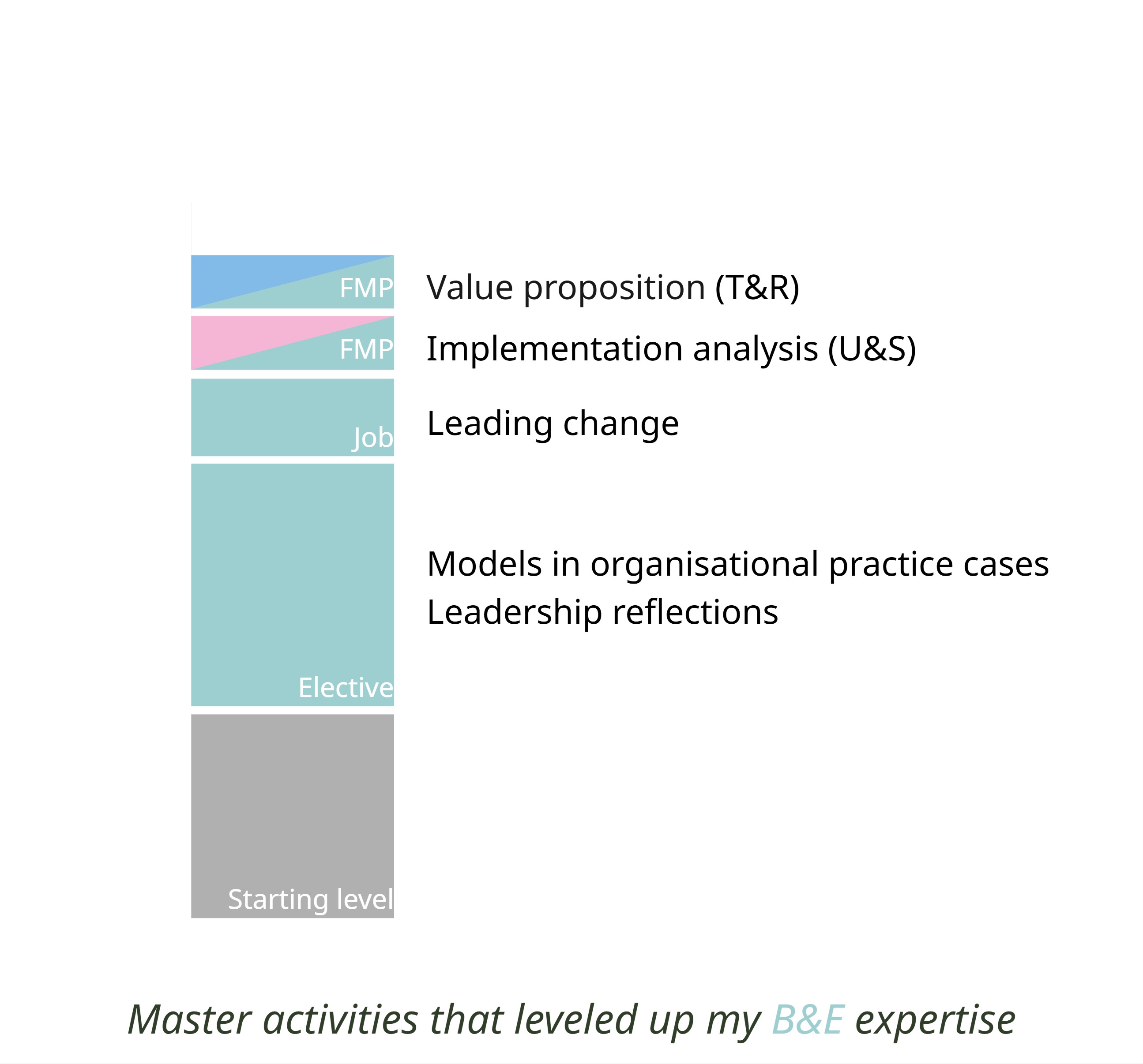
B&E is the expertise area in which I have grown the most. Through applying Design Thinking and value-related models to a wide range of problem statements, both in assignments during my part-time job and in B&E electives, I became confident in creating propositions for stakeholders based on envisioned value. By working with models such as the Business Model Canvas, Stakeholder Tension Mapping, and PESTEL analysis, I can critically analyse and strengthen my designs, making them more relevant and better prepared for real-world application, and thus more realistic in impacting users’ daily lives (U&S). An example of this is the business analysis I conducted during my FMP, where I created propositions based on positioning, stakeholder value, and the broader system around my design.
Technology & Realization
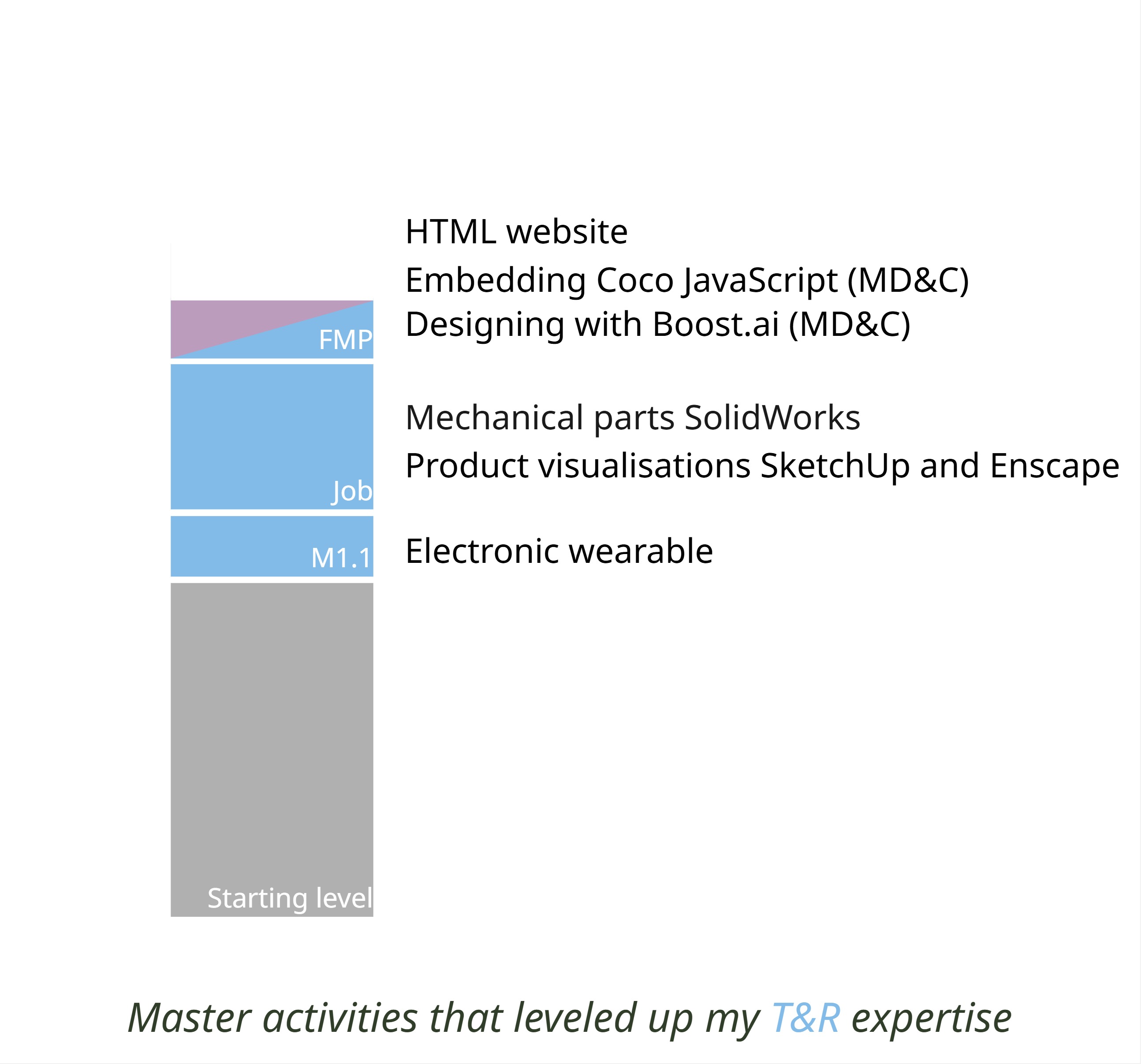
For me, this area is about building hands-on skills that enable me to independently create and test ideas. I am proficient in 3D modelling and rendering (SketchUp, Enscape, SolidWorks) and make use of 3D printing in my design process for mechanical construction, a skill I further developed through my part-time job. In M1.1, I wrote Arduino code for connectivity and multiple actuators within prototypes. During my FMP, I programmed an HTML website and integrated a conversational agent with JavaScript, which further strengthened my software and coding skills. While my programming knowledge is not yet deep, it enables me to quickly prototype interactive concepts.
Creativity & Aesthetics
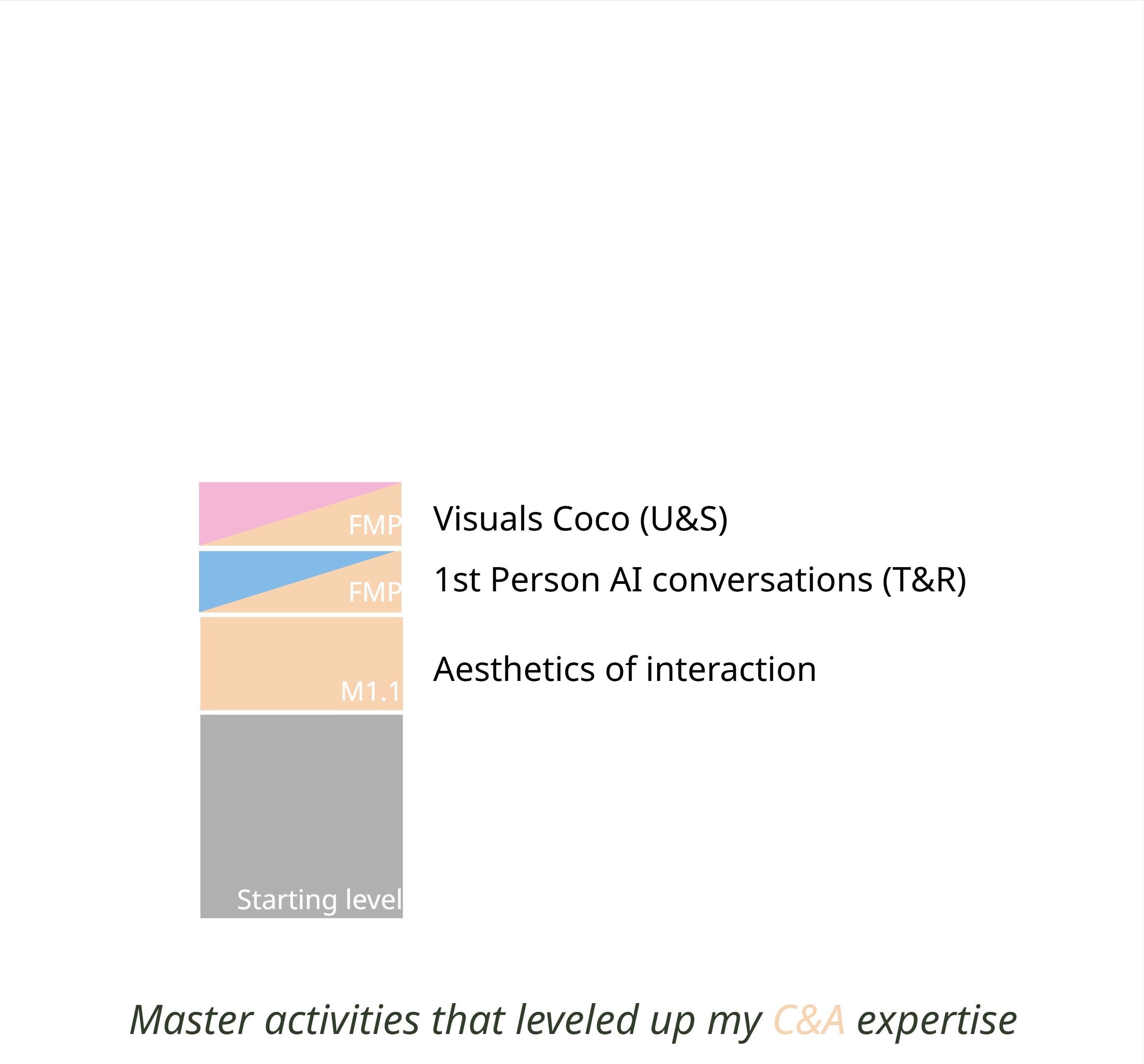
Throughout my studies, I have built a repertoire of creative techniques. But for me, creativity is not only about applying existing techniques but also about having the attitude to create new ones. I apply my own creative techniques throughout my projects, for example, combining C&A with T&R by using 1st person perspective in combination with AI as a tool for ideation and fine-tuning in my FMP. While I am not particularly strong in the graphics side of aesthetics, I am interested in aesthetics of interaction as it helps guide user behaviour. Through my M1.1 I also used material-driven aesthetics of interaction as an idea generation technique.
Math, Data & Computing
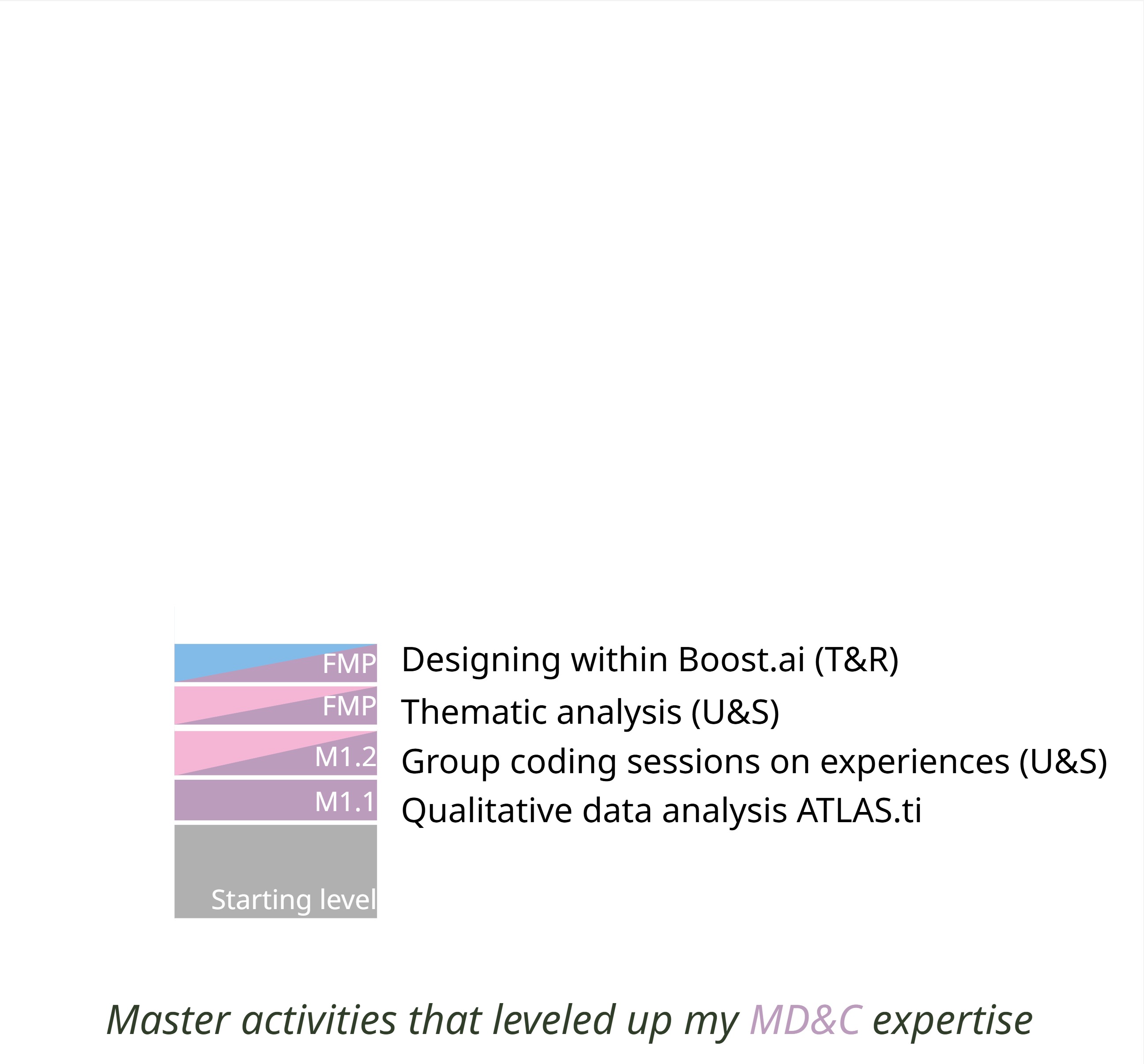
My skills within MD&C are overall limited, but one aspect I find especially valuable for my vision and design process is working with qualitative data. This directly supports one of my strongest U&S skills: conducting in-depth user evaluations. Through my master’s projects, I gained extensive experience in analysing interview and user test data. In M1.1, I worked with ATLAS.ti, after which I chose to focus more on lived experiences and searched for methods that aligned better with my vision. During M1.2 and my FMP, I developed the ability to conduct group coding sessions and perform thematic analyses, allowing me to ground my designs in rich user insights.
Portfolio
Projects and courses
Physical interaction
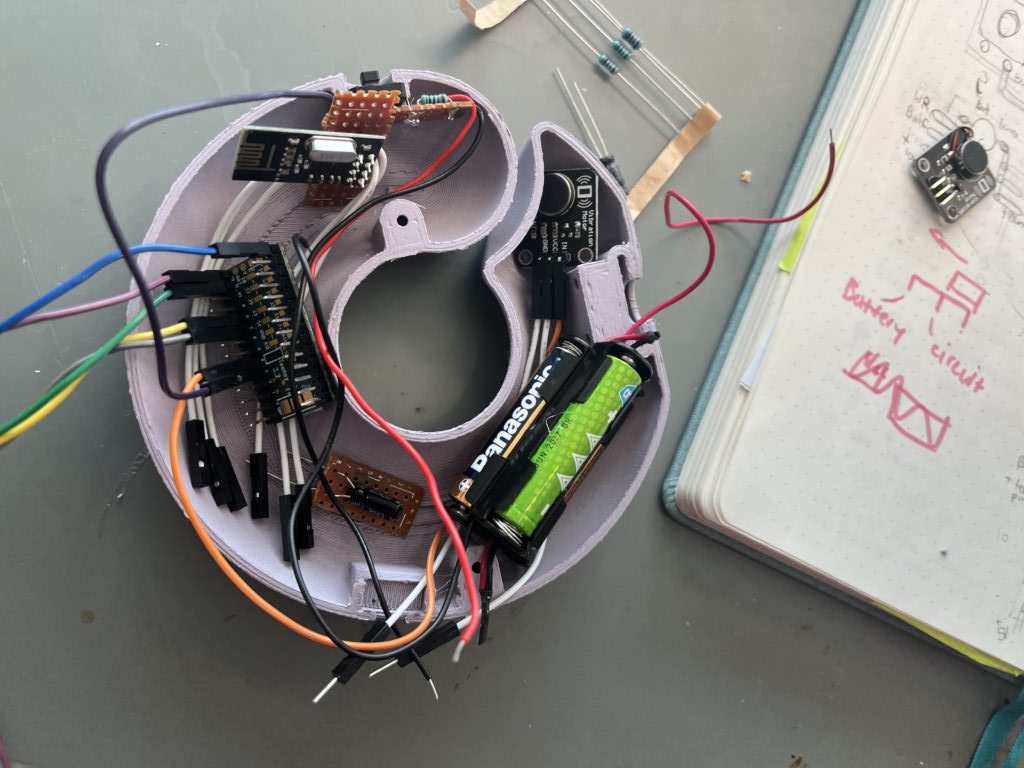
Building process electronical wearable
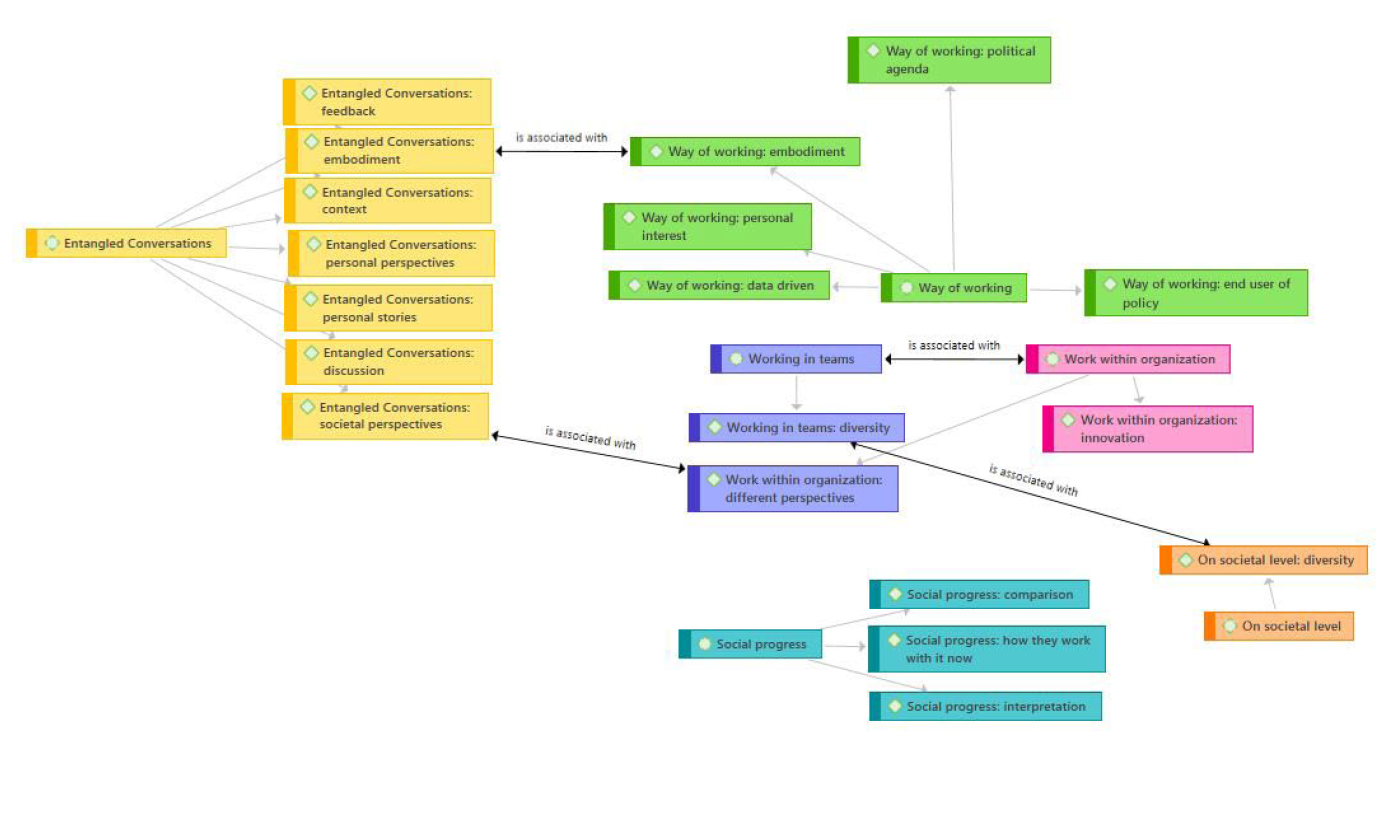
Data analysis ATLAS.ti
M1.1 Entangled conversations
C&A T&R MD&C
The Social Progress Index[8] measures the success of a region based on social progress rather than economic performance. Entangled Conversations enriches this tool using personal storytelling, visualisation, and embodied activities to reveal individual perspectives and foster connections.
I choose this project within the TP squad as I wanted to learn to deal with complexity. This was important to me as my identity is about working with stakeholders and estimating impact on society.
Main takeaways:
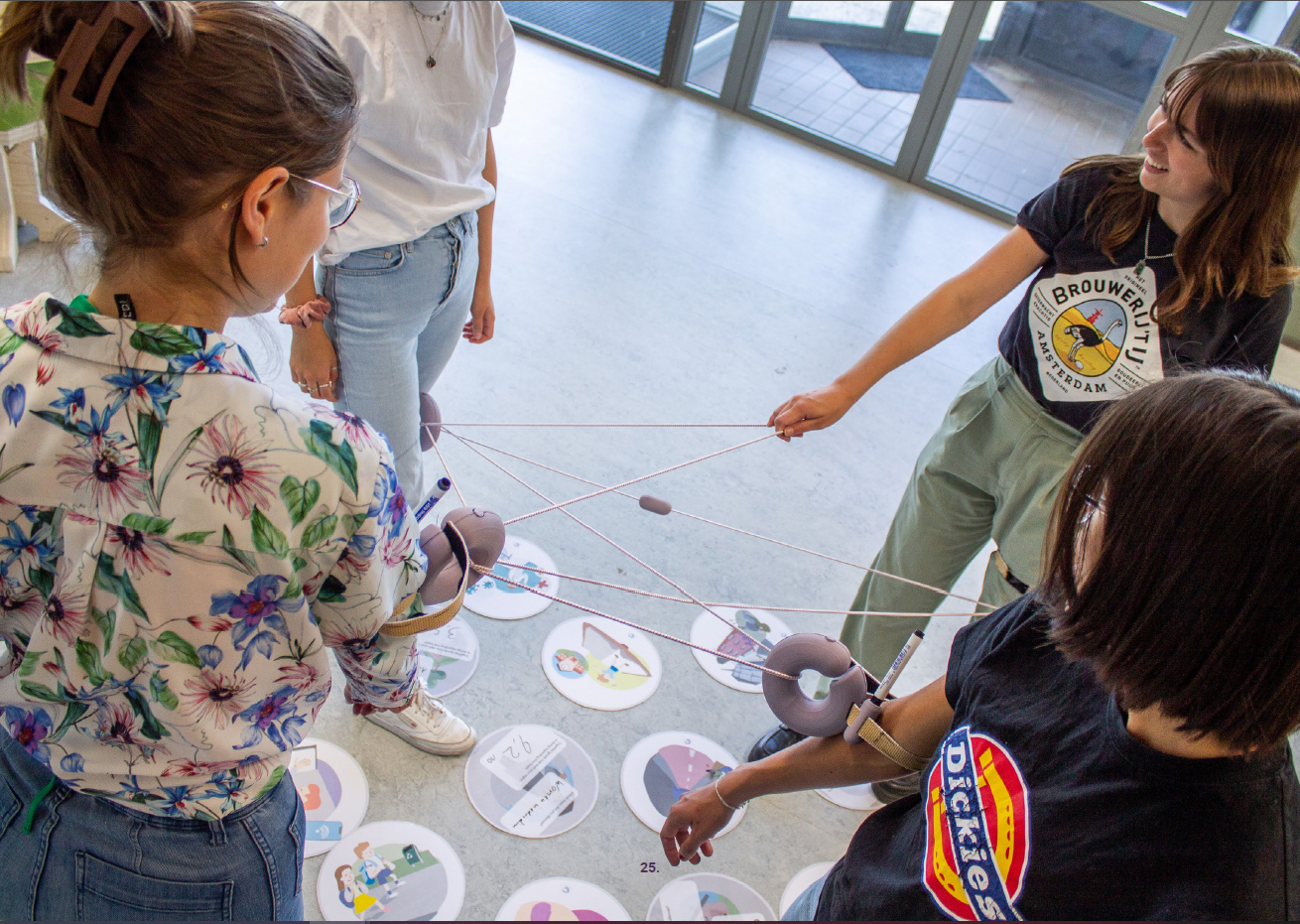
- I applied aesthetics of interaction in ideation by experimenting with interpersonal contact during bodystorming sessions using materials like balloons and rope. Through physically interacting with these materials in a group, desired qualities of the final design were defined: tension and connectedness. Bodystorming showed me how aesthetics of interaction can serve not only as a design outcome but also as a creative brainstorming method (C&A).
- I built interactive prototypes by coding in Arduino and setting up electronics for four wearables. Each included a vibration motor and button and was wirelessly connected through a multi-directional transceiver/receiver module, which allowed remote activation of the vibrations. The setups were first designed on a breadboard and then soldered for the final prototype. This process strengthened my T&R and MD&C skills by combining physical prototyping with coding to enhance the interaction quality of the final design.
- During the evaluation phase, we conducted two co-reflection sessions at the municipality of Brabant. I used ATLAS.ti for coding the records and notes. From this I got a better understanding of the data and could easily retrieve quotes during the concluding of insights. This expanded my methods in MD&C and U&S, enabling me to present qualitative data in a structured and visual way to support design decisions.
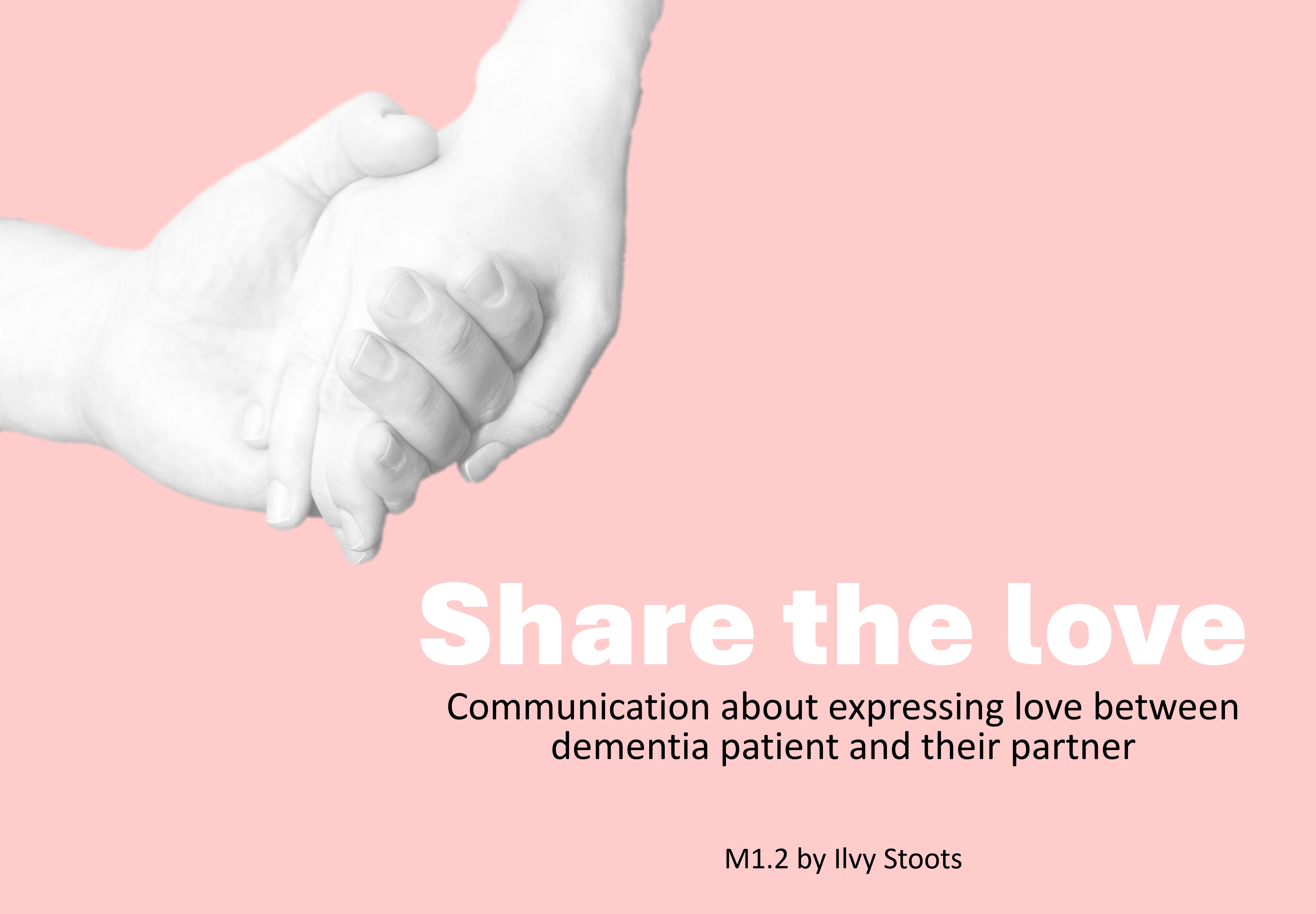
Poster Share the love

Recruitment process
M1.2 Share the love
U&S MD&C
This project investigates how design can better support romantic relationships impacted by dementia. Using a user-centred, research-for-design approach, it explores the lived experiences of both partners through interviews. The insights gained are used to identify opportunities for design and to propose guidelines that foster more loving environments.
This semester I conducted a project that really matched my identity, having in-depth user interactions, based on personal topics.
Main takeaways:
- I conducted in-depth interviews on the personal topics of love and loss with dementia patients and their partners. I prepared explorative questions on lived experiences and conducting semi-structured interviews at the participants their home. This developed my skills within U&S, as I created a comfortable atmosphere and ask open-minded questions that encourage participants to share deeply personal experiences.
- I became confident in interviewing and data analysis by organising group coding sessions with ID researchers and PhD candidates in which we interpreted and annotated transcripts, followed by a thematic analysis of the in-depth interview data. This strengthened my U&S and MD&C expertise, as I analysed long interviews and presented the data as a collection of stories. This approach is especially valuable to me as I am able to preserve participants’ lived experiences.

Business model canvas

Assignment leadership style
B&E Electives
B&EWithin my elective space, I followed Values based leadership and Design for social innovation. I chose to broaden my B&E knowledge as that felt lacking but is necessary for future employment and professional development.
Main takeaways:
- I strengthened my ability to improve designs through analysing market possibilities, by practising with real organisational cases using methods such as the Business Model Canvas, stakeholder mapping, tension mapping, PESTEL analysis, and organisational structure analysis. This developed my B&E expertise by teaching me how to create value propositions and conduct market analysis. This enables me to align my designs with real-world needs, increasing their potential to positively impact users’ wellbeing.
- I also discovered my own leadership strengths by approaching entrepreneurship as a form of leadership. During the first assignment of Values based leadership I found that I naturally take on a coaching leadership style, supporting team members individually so they can thrive. During group work, I foster a supportive team atmosphere by investing in teambuilding exercises. I also keep track of the planning and the bigger picture, making sure that everybody is motivated for their task, to ensure high-quality outcomes. This enhanced my B&E expertise by shaping my entrepreneurial attitude and confidence as a team leader.
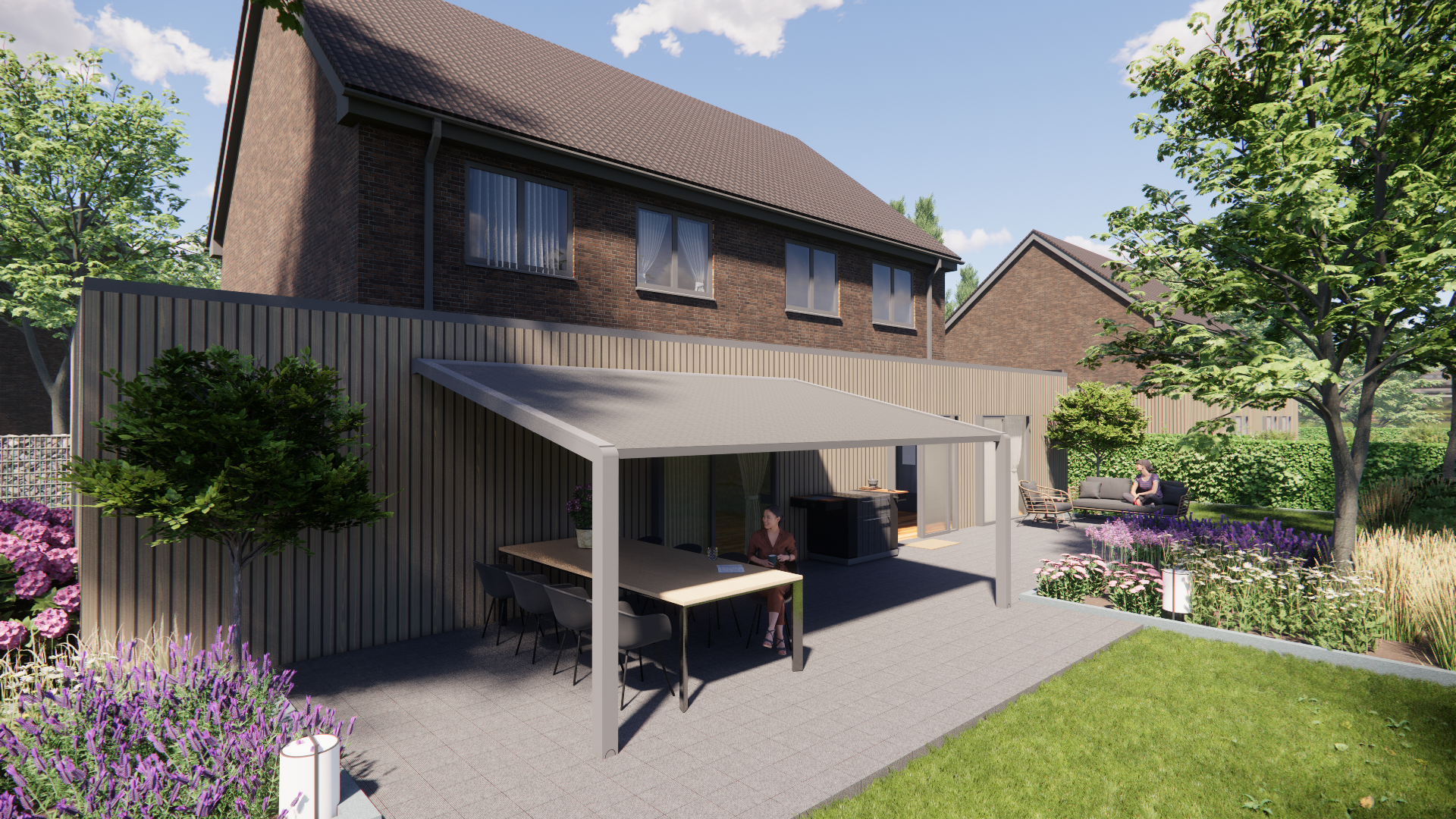
Product visualisation
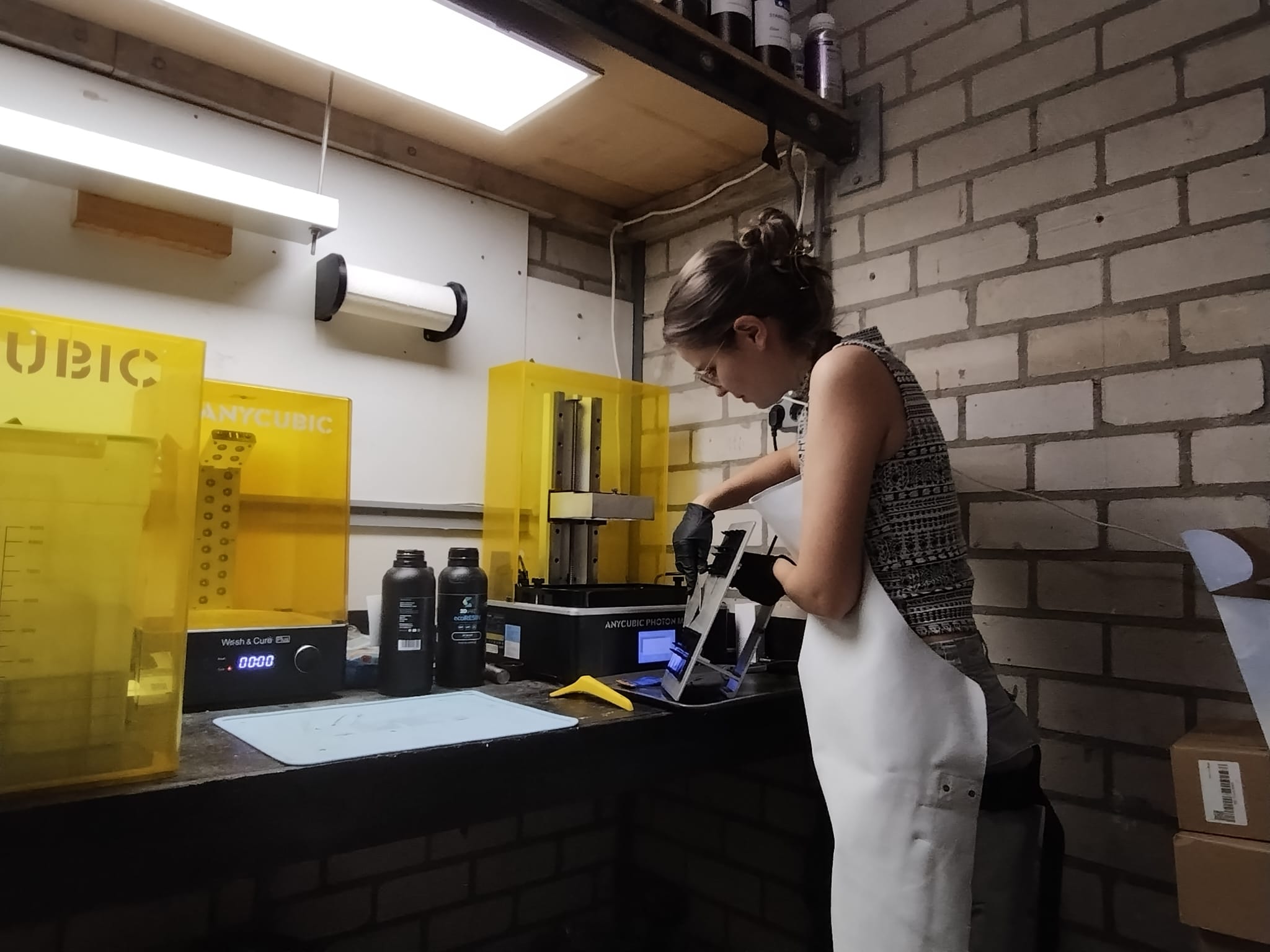
Resin 3D printing
Part-time job
B&E T&RWhen I started my master’s, I deliberately chose to follow the program part-time alongside my job to develop professionally. I work part-time at the R&D department of Lenco® (a sun shading company), where I work on project management and 3D drawing.
Main takeaways:
- I designed mechanical parts of louvres systems in SolidWorks and testing them through 3D printing. I also created professional product visualisations in context using SketchUp and Enscape. I have become comfortable in making 3D drawings both for mechanical and visual purposes by completing hands-on assignments, which improved my T&R.
- By working within a small non-design company I showed that my design thinking skills can be applied in multiple fields, including optimising operational processes concerning customers. I am now confident in leading process changes based on the opportunities I identify for customers as a designer. This strengthened my B&E expertise by enhancing my entrepreneurial mindset and ability to inspire others to adapt to new needs and opportunities.
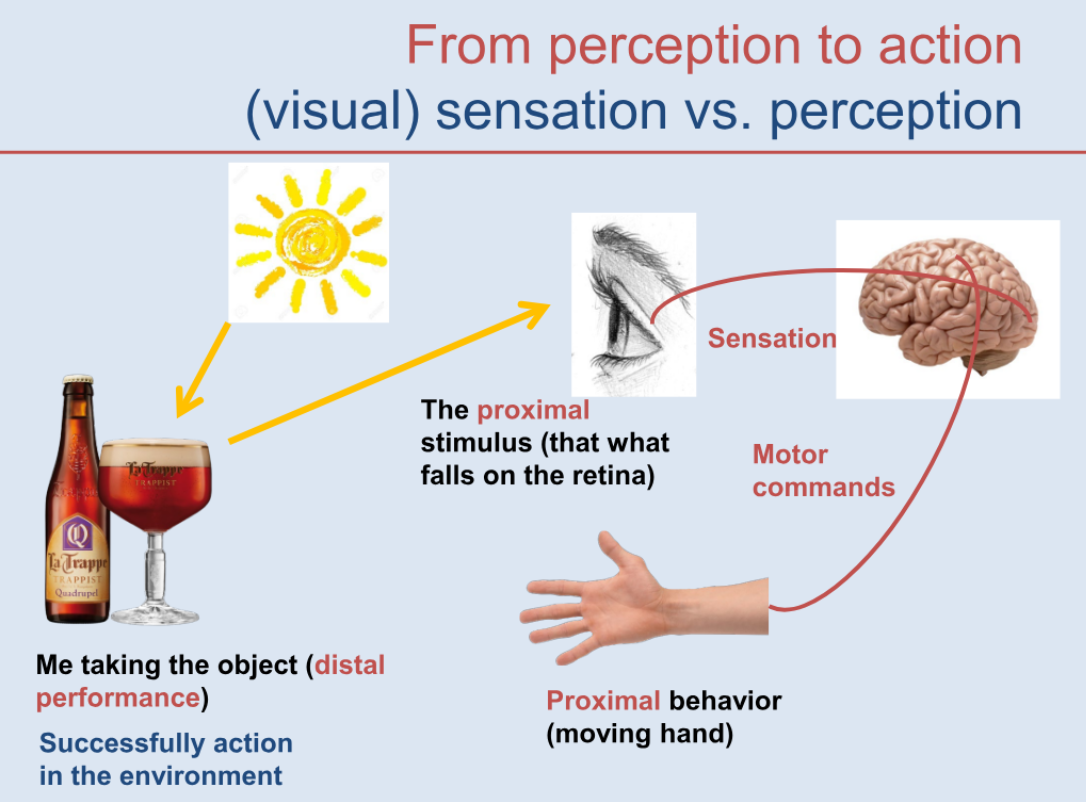
Example slide perception
M2.1 Courses at HTI
U&SWithin my M2.1, I followed master's courses at the Human-Technology department. I wanted to gain more U&S knowledge that was based on scientific principles, to support me in effectively and efficiently supporting my users' well-being. I took courses on human decision-making and the role of the environment on human behaviour and experience.
Main takeaway:
- I discovered my interest in incorporating mental theories into design by studying research on safety perception, privacy, personal space, and stress restoration, as well as studying theories such as Theory of Reasoned Action and Self-Determination Theory. This strengthened my U&S expertise, enabling me to draw on theory to support users’ mental processes, which is especially valuable in the context of wellbeing. I later applied this in my FMP, grounding my designs in psychological literature on journaling and self-compassion, integrating principles such as common humanity and self-disclosure into my designed conversations.
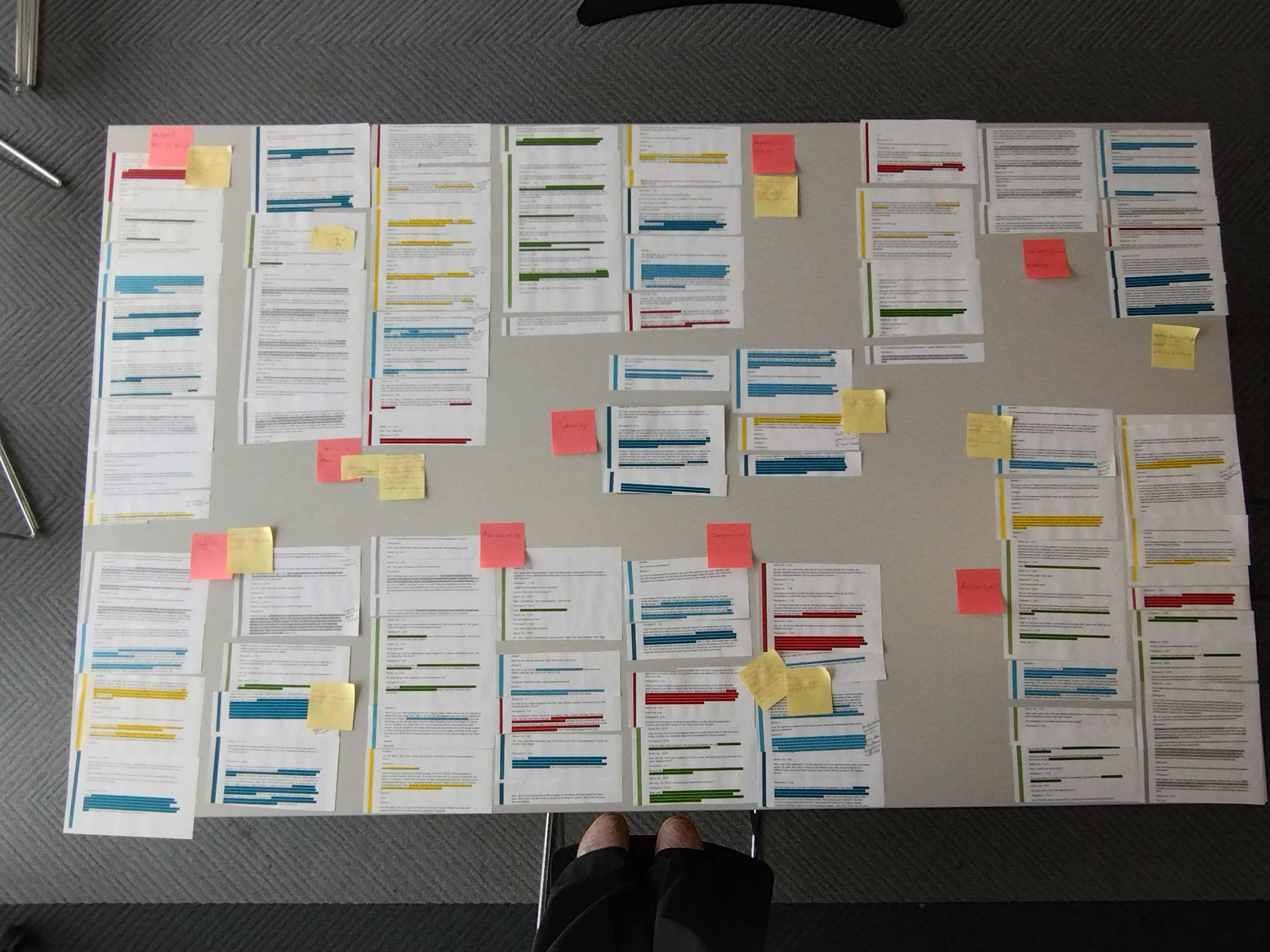
Thematic analysis
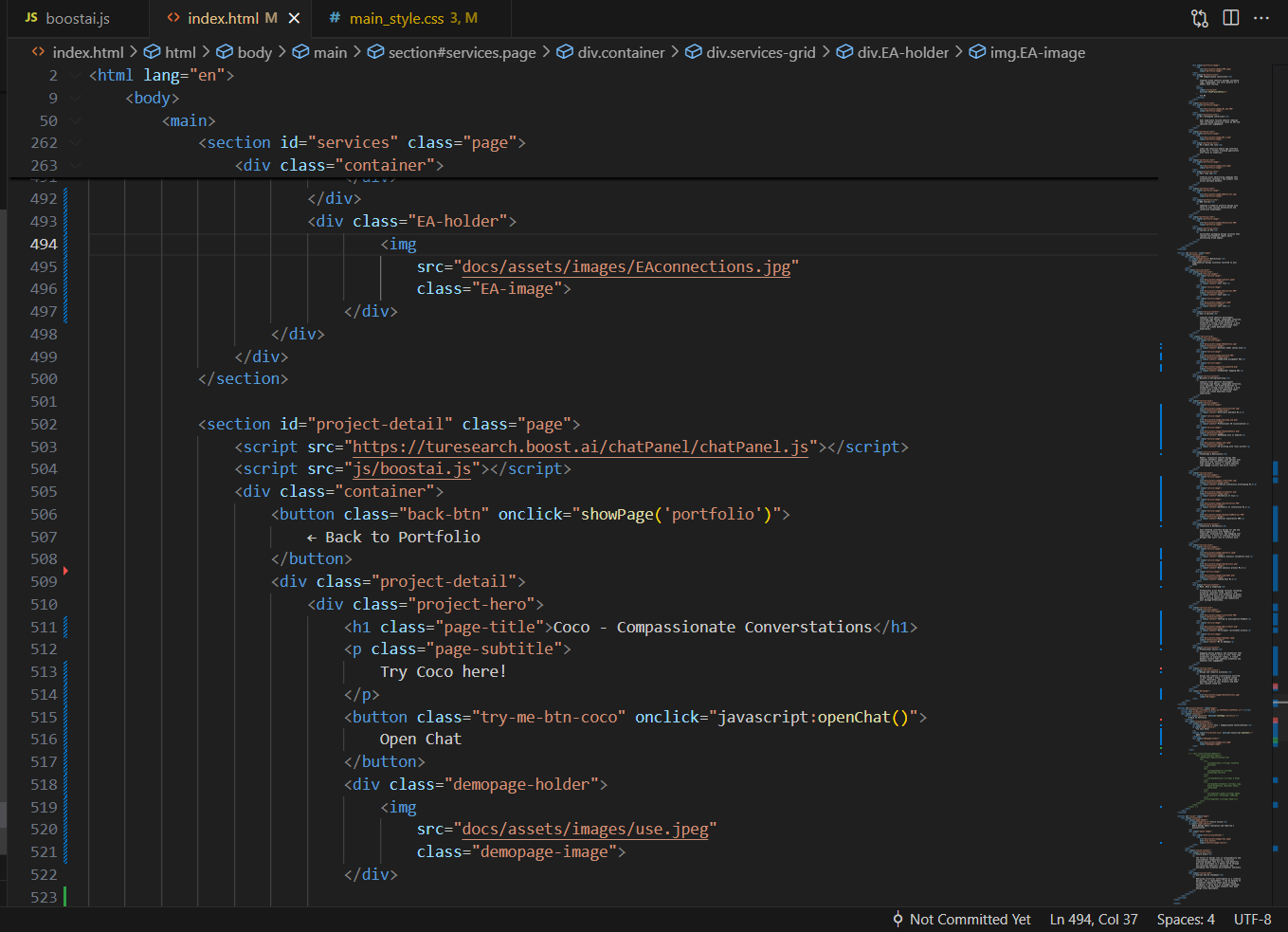
Code embedding Coco
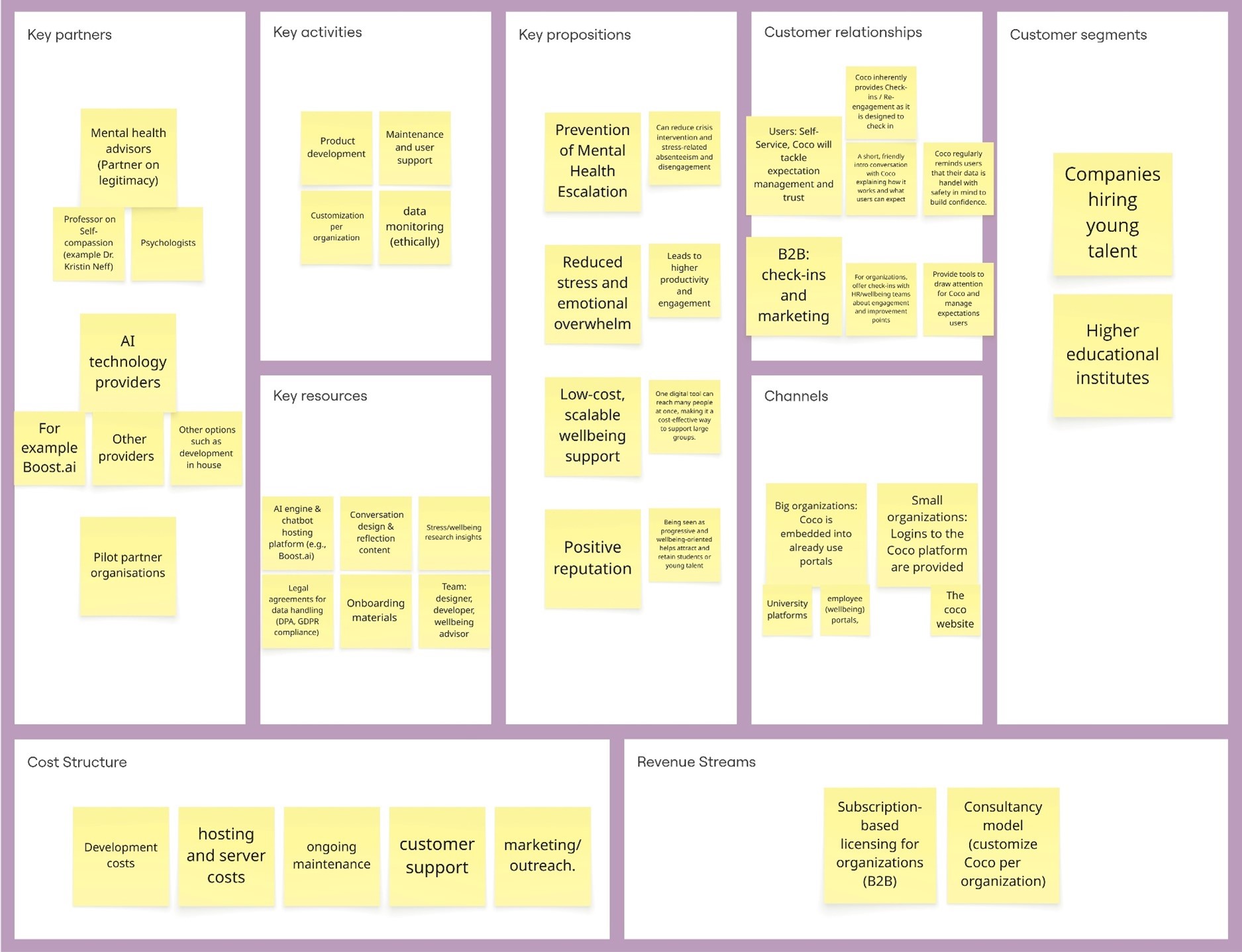
Business model canvas Coco
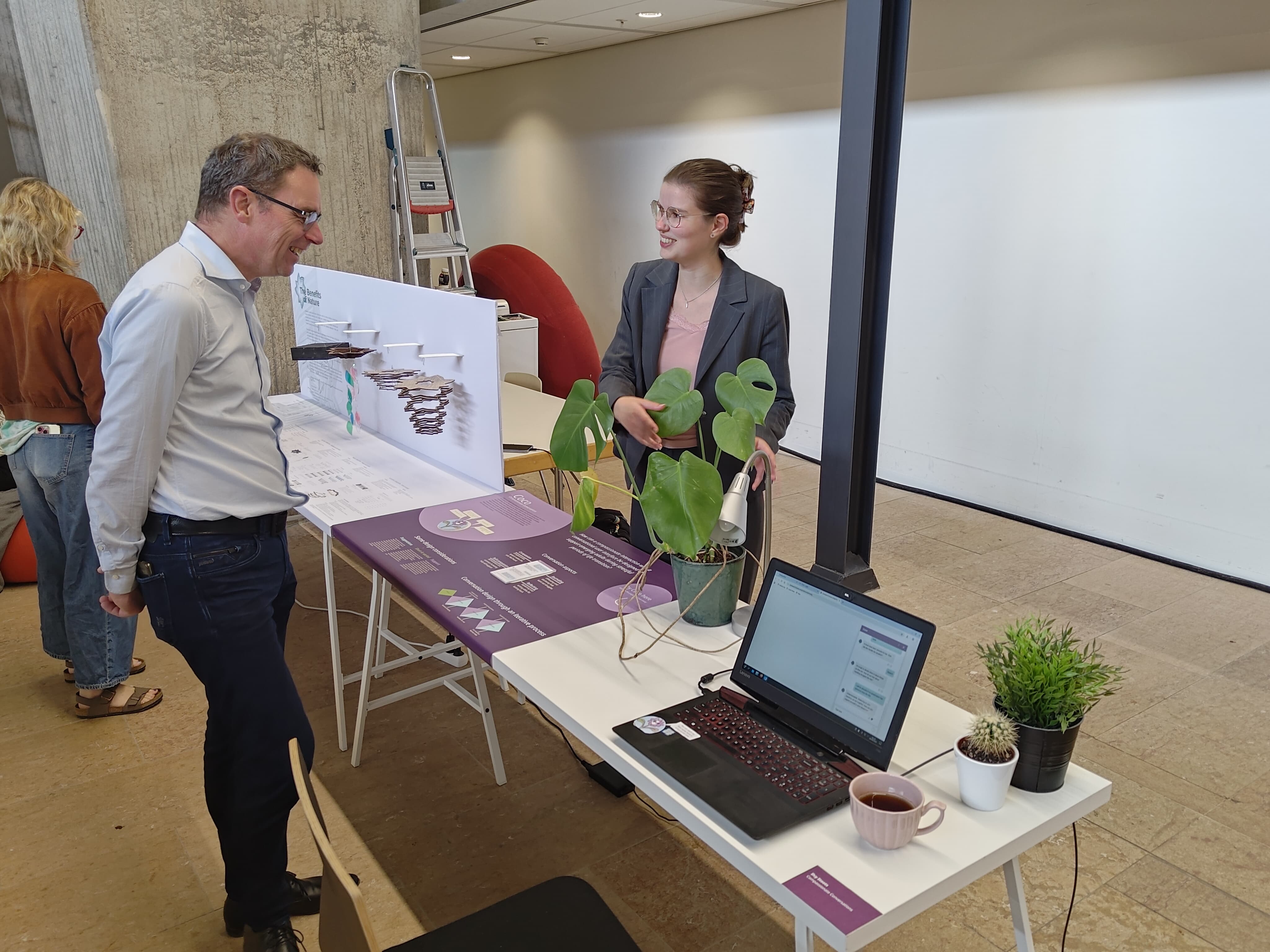
Presenting at Demoday
FMP Compassionate conversations
U&S T&R B&E C&A MD&CCoco is a chatbot designed to support emerging adults during stressful life transitions by providing compassionate, judgment-free conversations. Coco combines journaling and self-reflection with AI-driven dialogue, creating a safe space for users to offload and reflect.
Try out Coco here:
User insights
U&S MD&C C&AIn my FMP, I integrated user insights into my USD process for both direction and validation. I gathered these insights in sessions with emerging adults, where participants tried a prototype followed by a semi-structured interview on the experience. This combined my U&C and MD&C, as I analysed data thematically to identify patterns across participants from sessions focused on gathering design input from lived experiences. A clear example of applying user insights was in creating the visuals for Coco, where the C&A process was directly grounded in user feedback.
Working with AI
T&R C&A U&SAlongside coding my portfolio website in HTML and embedding Coco with JavaScript, I expanded my T&R expertise by working with AI through Boost.ai. The platform allowed me to quickly work with LLMs and create a fully functional chatbot within one semester. I merged C&A and T&R by using AI as a new creative method. In sessions, I evaluated conversations prototyped in boost.ai from a first-person perspective. I developed multiple conversational setups based on compassionate speech principles, and through reflection, identified which approaches and messages would be helpful to me during times of stress. Throughout my ERB and PFM process, I asked critical questions to design ethically with AI, such as the desired user–AI relationship and the privacy of user data. This led to defining Coco’s role as a short term tool and using a platform with a DPA. It combined T&R with U&S, as I learned to apply AI responsibly, an essential aspect to me when designing for mental wellbeing.
Business analysis
B&E T&R U&STo increase the real-world applicability of my designs, I applied my B&E skills by conducting a business analysis of Coco, using models for positioning, competitive landscape, and stakeholder value. This highlighted that customers and end users are not always the same, prompting me to think critically about the product’s ecosystem. This B&E analysis showed the connection with other expertise areas, as analysing stakeholder value helped highlight scalability(T&R) as an important value of AI to align the design with real-world needs(U&S).
Professional skills
During this project, I experienced stress-related mental health struggles, which motivated me to focus on well-being while actually accelerating my personal growth. As a perfectionist, progress can be difficult, but I learned to set priorities and deadlines, showing that my process works even when not every step is perfect. This improved my professional skills as it helped me manage challenges, cope with stress, and adapt when support was limited—for example, by actively seeking feedback from other coaches when my own was unavailable.
Future Vision
...

Future plans
After my graduation I will work on my own mental health first. I value well-being both in my work and my own life but unfortunately this semester was mentally challenging. Therefore I will have a recharge phase that centralizes my own well-being, starting with a relaxing holiday. During this recharge phase, I will also start working more hours at my current job. Within this job, I can develop myself professionally without the challenges of having to start in a new environment immediately.
Looking ahead, I see myself working in a company setting as part of a multi-disciplinary team. I am especially interested in non-design firms, as I have noticed in my current job that these organizations often have a strong need for innovation and design-driven change. Such companies could range from healthcare providers to tech firms or NGOs working on wellbeing. As an empathic designer focused on mental health challenges, I hope to be involved in projects that support adults during times of vulnerability, such as illness or mental health struggles. My aim is to establish myself as a designer specialised in human-centred approaches, enabling me to address user needs and make a meaningful impact on daily life.
With new energy and a clear vision, I’m excited to keep designing for what truly matters to people.
Sources and AI statement
Because of my dyslexia, AI in the form of ChatGPT was used to rewrite sentences to make them more legible and understandable. My written sentences often have grammar and spelling errors, making it difficult to understand. I used prompts like ''Can you tell me what sentences are grammatically incorrect and give me some replacement suggestions?'' to help me rewrite the first draft into the final version.
AI was also used in the development of the prototype Coco, an AI chatbot.
Lastly, AI was used to help with the coding of this HTML website.
1. Cynthia L. Bennett en Daniela K. Rosner. 2019. The Promise of Empathy: Design, Disability, and Knowing the “Other”. 2019 CHI Conference On Human Factors in Computing Systems Proceedings (CHI 2019). https://doi.org/10.1145/3290605.3300528
2. Pieter M. A. Desmet en Anna E. Pohlmeyer. 2013. Positive design : An introduction to design for subjective well-being. International Journal Of Design 7, 3. Retrieved form http://resolver.tudelft.nl/uuid:06ec60ac-0363-43ea-9ccd-8426ef0d6b64
3. Minha Lee, Sander Ackermans, Nena Van As, Hanwen Chang, Enzo Lucas, en Wijnand IJsselsteijn. 2019. Caring for Vincent. CHI Conference On Human Factors in Computing Systems Proceedings (CHI 2019). https://doi.org/10.1145/3290605.3300932
4. SoHyun Park, Anja Thieme, Jeongyun Han, Sungwoo Lee, Wonjong Rhee, en Bongwon Suh. 2021. “I wrote as if I were telling a story to someone I knew.”: Designing Chatbot Interactions for Expressive Writing in Mental Health. Designing Interactive Systems Conference: 926–941. https://doi.org/10.1145/3461778.3462143
5. Leandro Tonetto, Ann Petermans, Rebecca Cain, Anna Pohlmeyer, Tiiu Poldma, en Deger Ozkaramanli. 2024. Design for Wellbeing and Happiness. Proceedings Of DRS. https://doi.org/10.21606/drs.2024.145
6. 2025. What is User Centered Design (UCD)? The Interaction Design Foundation. Retrieved form https://www.interaction-design.org/literature/topics/user-centered-design#:~:text=User%2Dcentered%20design%20(UCD),and%20accessible%20products%20for%20them.
7. 2025. What is Design Thinking? The Interaction Design Foundation. Retrieved form https://www.interaction-design.org/literature/topics/design-thinking?srsltid=AfmBOor_4tUr87A3mEt9pV91ff2j40W2v0NXBkrrANtDa39x6hN2VZGT
8. Global Social Progress Index. Retrieved form https://www.socialprogress.org/social-progress-index